We may earn a commission, from companies mentioned in this article, at no additional cost to you.
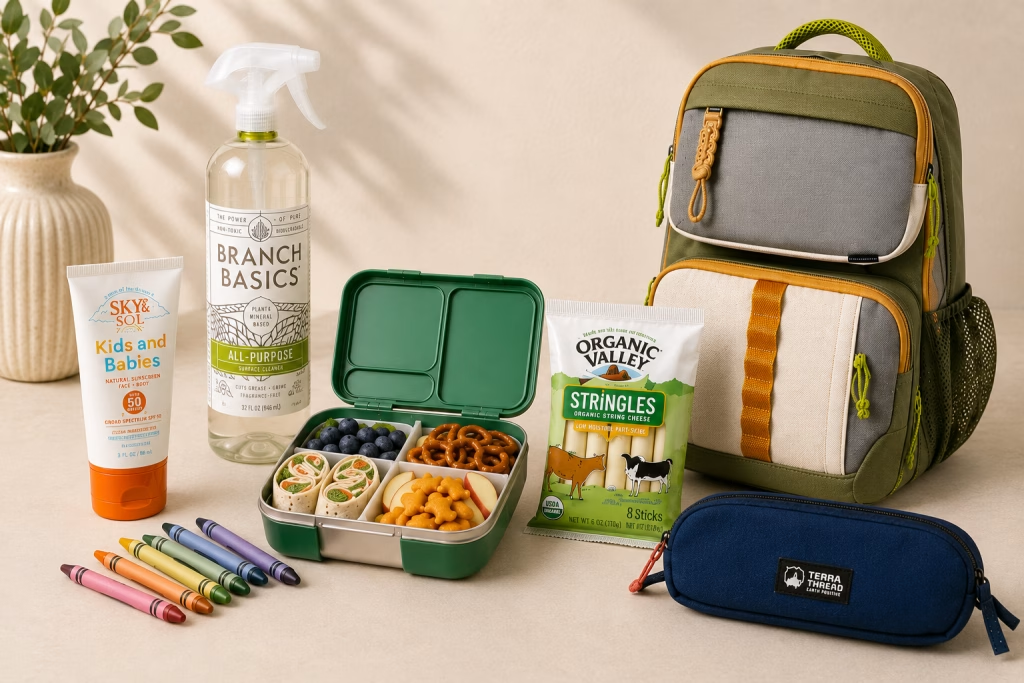
Back-to-school shopping usually means checking off backpacks, lunch boxes, water bottles, school supplies, snacks, and everyday gear. This back to school essentials list makes shopping easier by focusing on healthier, non-toxic options for the products kids use throughout the school year.
If you’re trying to make healthier choices for your family, you may also be paying closer attention to what those everyday products are made from. Some school and lunch essentials can contain materials or ingredients you may prefer to avoid, including plastic food-contact materials, PFAS, synthetic fragrances, and unnecessary additives in packaged foods.
As a healthcare professional and holistic wellness advocate, I believe some of the most practical changes start with the products we use every day. This guide includes 25+ clean and non-toxic back-to-school essentials to help you make more informed choices for your family.
KEY TAKEAWAYS
- Prioritize frequently used products such as lunch containers, water bottles, backpacks, and personal care essentials.
- Choose materials such as stainless steel, glass, food-grade silicone, and natural fibers when practical.
- Reduce plastic food contact by choosing reusable alternatives for lunch boxes, water bottles, and food storage.
- Pay attention to actual materials and ingredients rather than relying solely on front-of-package claims.
- Choose packaged snacks with simple ingredient lists and less added sugar when possible.
- You don’t need to replace everything at once. Make more intentional swaps as products need replacing.
25 + CLEAN & NON-TOXIC BACK TO SCHOOL ESSENTIALS
NON-TOXIC LUNCH + FOOD ESSENTIALS
One of the first places I recommend making swaps is with products that come into direct contact with food and drinks every school day.
Instead of relying on plastic containers, bottles, and disposable bags, consider reusable alternatives made from stainless steel, glass, and food-grade silicone. These materials can help reduce everyday plastic food contact while also cutting down on disposable waste.
1. Bentgo Stainless Steel Lunch Box
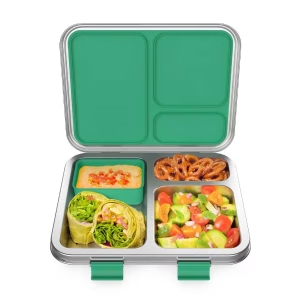
A reusable stainless steel lunch box is one of my favorite swaps for packing school lunches.
Look for food-grade stainless steel with separate compartments for sandwiches, fruit, vegetables, and snacks. A well-made stainless steel lunch box can last for years and helps reduce the need for plastic food-storage containers and disposable bags.
What to look for: Food-grade stainless steel, easy-to-clean compartments, secure closures, and minimal plastic components.
2. Hydroflask Insulated Lunch Bag
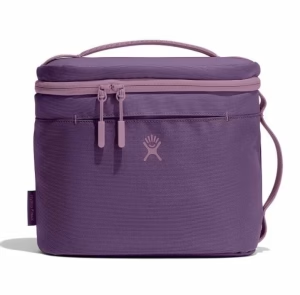
An insulated lunch bag helps keep perishable foods cold until lunchtime.
Look for a durable, washable option made without intentionally added PFAS when possible and large enough to hold your child’s lunch container, snacks, and an ice pack.
What to look for: Washable materials, PFAS-free construction, durable zippers, and adequate insulation.
3. Clearly Filtered Stainless Steel Water Bottle
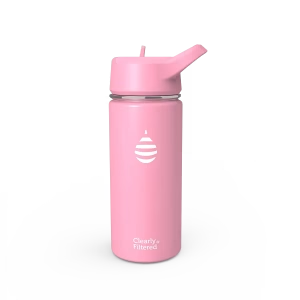
A reusable stainless steel water bottle is one of the easiest ways to reduce daily reliance on plastic bottles.
Insulated stainless steel bottles can also keep water cold throughout the school day and are durable enough for everyday use.
What to look for: Food-grade stainless steel, minimal plastic components, leak-resistant construction, and an easy-to-clean design.
4. ECOlunchbox Reusable Snack Containers
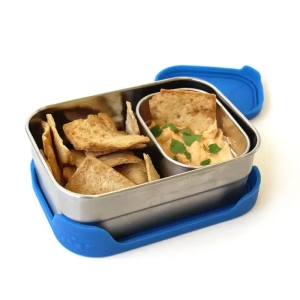
Small reusable containers are useful for packing fruit, vegetables, crackers, nuts, and other snacks without relying on disposable plastic bags.
Stainless steel and food-grade silicone are two practical options for everyday school lunches.
5. Zip Top Reusable Silicone Bags
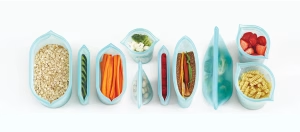
Food-grade silicone bags can be used for sandwiches, fruit, vegetables, and snacks and washed for repeated use.
Choose high-quality silicone designed specifically for food storage.
6. Klean Kanteen Stainless Steel Food Thermos
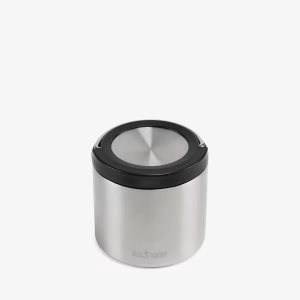
A stainless steel food thermos makes it easier to pack warm meals such as soup, oatmeal, pasta, rice bowls, or leftovers.
It also allows food to be stored directly against stainless steel rather than plastic.
7. To-Go Ware Reusable Bamboo Utensils
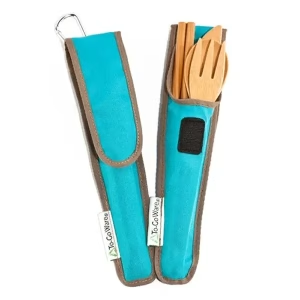
A small bamboo utensil set is a durable alternative to disposable plastic forks and spoons.
Keep a reusable fork and spoon inside the lunch bag so they’re always available when needed.
8. Bentgo Reusable Ice Packs
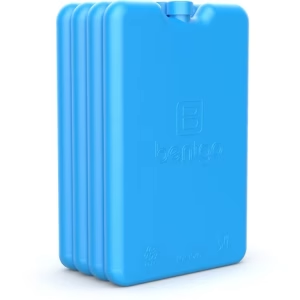
Ice packs are especially useful when packing foods that need to remain cold.
Look for durable, leak-resistant products made without BPA or PVC when possible.
HEALTHIER SCHOOL SNACKS
A back to school essentials list wouldn’t be complete without convenient foods for lunches and after-school snacks.
Packaged snacks can make busy mornings easier, but ingredient lists vary considerably. I prefer options made with recognizable ingredients and without unnecessary artificial colors, flavors, artificial sweeteners, or excessive added sugar.
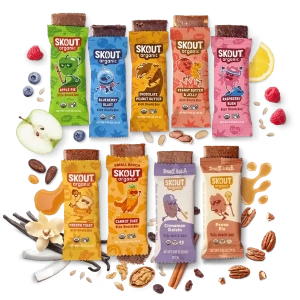
9. Skout Organic Snack Bars
💸 Save 15% with code HOLISTIKQUEEN
Snack bars are convenient for lunch boxes and backpacks, but many conventional varieties contain significant amounts of added sugar and highly processed ingredients.
Look for options made primarily from whole-food ingredients such as nuts, seeds, oats, dates, or fruit.
10. Simple Mills Crackers
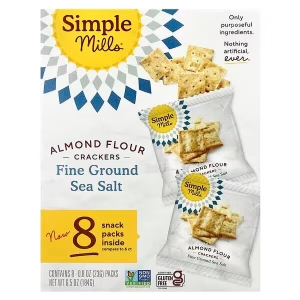
Crackers can be an easy addition to lunch, especially when paired with cheese, hummus, vegetables, or another source of protein.
Look for options with relatively simple ingredient lists and without artificial colors or flavors.
11. Solely Organic Mango Fruit Jerky
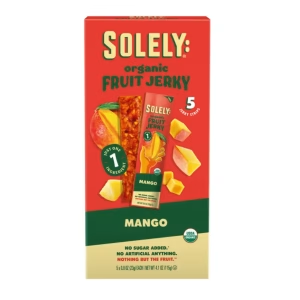
Whole fruit is a great option, but shelf-stable fruit products can be useful on busy days.
Look for dried fruit, fruit bars, or applesauce made primarily from fruit and without unnecessary added sugars, artificial colors, or artificial sweeteners.
12. Organic Valley String Cheese
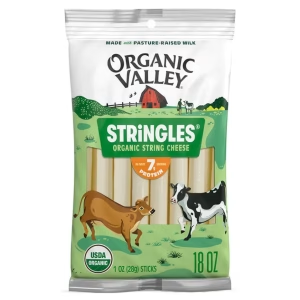
String cheese is an easy, nutrient-dense option for school lunches and snacks, providing protein, fat, and calcium in a convenient individual serving.
Look for organic string cheese made with high-quality milk and a simple ingredient list. Pair it with fresh fruit, vegetables, or better-ingredient crackers for a more balanced snack.
13. Artisana Organic Raw Coconut Butter Packs
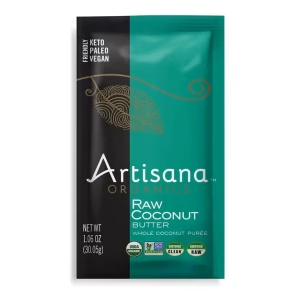
Individual coconut butter packs are a convenient option for school lunches and snacks and provide naturally occurring fats in an easy-to-pack individual serving.
Look for coconut butter made with simple ingredients and without unnecessary added sugars, artificial flavors, or other additives.
NON-TOXIC SCHOOL SUPPLIES
School supplies are another category where materials and ingredient transparency can help you make more informed choices.
When choosing crayons, markers, glue, pencils, and other frequently handled supplies, I look for reputable brands that clearly identify relevant materials or ingredients and products designed to meet appropriate safety standards for children.
14. Honeysticks Natural Beeswax Crayons
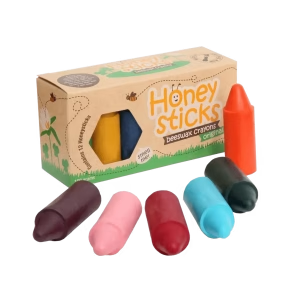
Look for crayons from reputable manufacturers that meet applicable safety standards and provide clear information about their materials.
Beeswax-based crayons are another option for families looking for an alternative to conventional crayons.
15. Bazic Washable Markers
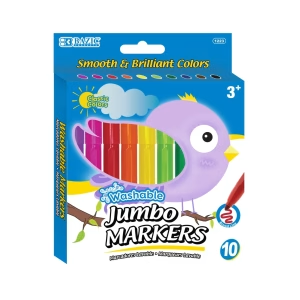
Choose washable, water-based markers labeled non-toxic and intended for children.
Washable formulas are also easier to manage when marker ends up on hands, clothing, or furniture.
16. Bazic Non-Toxic Glue Stick
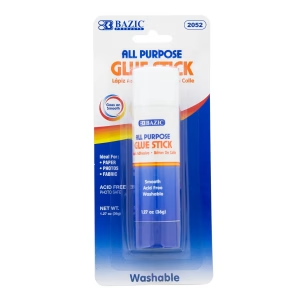
For classroom projects, look for water-based, washable glue labeled non-toxic.
Glue sticks can also minimize mess and make application easier for younger children.
17. Bazic Colored Pencils
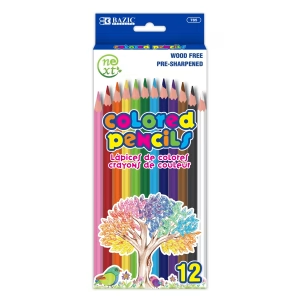
Colored pencils are a classroom staple for art projects, homework, and creative activities.
Look for non-toxic colored pencils made for children from brands that provide clear product and safety information.
18. Decomposition Notebooks
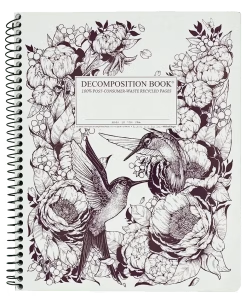
Notebooks made with recycled or responsibly sourced paper are an easy way to make school shopping more environmentally conscious.
They’re not necessarily a major chemical-exposure concern, but they’re a practical addition to a more thoughtful and sustainable school routine.
PERSONAL CARE + HYGIENE ESSENTIALS
Products applied directly to the skin are another category worth considering when putting together your school essentials.
I generally prefer simple formulas and pay close attention to the ingredients in personal care products, particularly those that are used frequently.
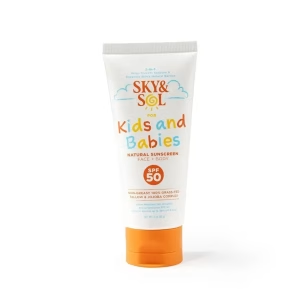
19. Sky & Sol Kids and Babies Sunscreen
💸 Save 15% with code HOLISTIKQUEEN
For recess, outdoor activities, sports, and field trips, sun protection can be an important part of the school routine.
If you prefer mineral sunscreen, look for a broad-spectrum formula containing zinc oxide and/or titanium dioxide that your child will wear consistently.
Sunscreen is only one part of sun protection. Hats, protective clothing, and shade can also help reduce UV exposure.
20. DR. BRONNER’S Organic Hand Sanitizer Spray
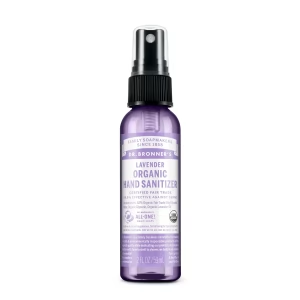
When soap and water aren’t available, hand sanitizer can be a convenient option for keeping hands clean throughout the school day.
Look for a hand sanitizer with a simple ingredient list and an appropriate alcohol concentration for effective hand sanitizing. This lavender option is made with organic ingredients and scented with lavender essential oil rather than synthetic fragrance.
For routine handwashing, soap and water remain an excellent choice.
21. Babo Botanicals Hand Soap
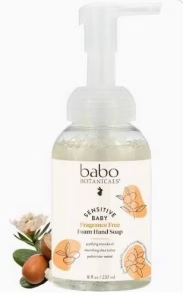
For home—or classrooms that allow families to provide their own products—consider a gentle, fragrance-free hand soap.
A strong fragrance isn’t necessary for a product to clean effectively.
22. Primally Pure Lip Balm
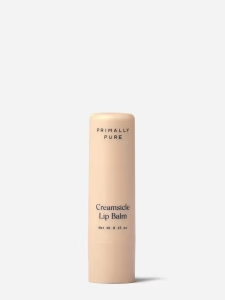
A lip balm can be useful during dry weather and long school days.
Look for a simple formula made with moisturizing ingredients without unnecessary artificial fragrance or flavoring.
BACKPACKS + EVERYDAY SCHOOL GEAR
Backpacks and everyday accessories get a lot of use throughout the school year, so both materials and durability are worth considering.
23. United By Blue Revolution Backpack
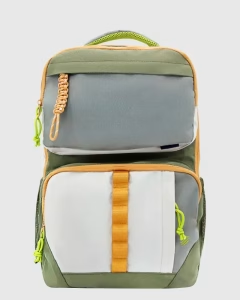
If you’re buying a new backpack, look for brands that provide transparent information about their materials and specifically state when their products are made without intentionally added PFAS.
A durable backpack that lasts several school years can also reduce unnecessary waste.
What to look for: Durable construction, comfortable straps, washable materials, appropriate sizing, and transparent material information.
24. Terra Thread Batai Organic Cotton Pencil Bag
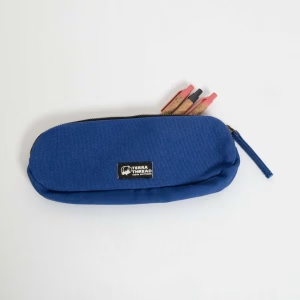
A durable pencil pouch made from organic cotton, canvas, or another simple fabric is an easy alternative to heavily treated synthetic materials.
Choose something washable and durable enough to reuse from year to year.
25. Quince Organic Cotton Jersey Short Sleeve Tee
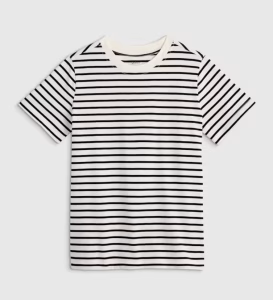
Back-to-school shopping often includes new clothing, too.
When your child needs new basics, consider organic cotton and other natural-fiber options, particularly for clothing worn directly against the skin.
There’s no need to replace an entire wardrobe. Choosing fewer, durable basics when old clothing needs replacing can be a more practical approach.
BONUS: NON-TOXIC LAUNDRY + CLEANING ESSENTIAL
Branch Basics Starter Kit
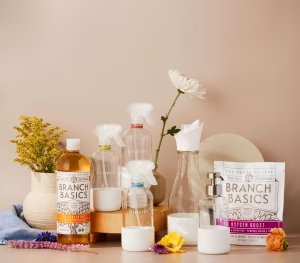
💸 Save 15% with code HOLISTIKQUEEN
Back-to-school season often means more laundry, lunch-box spills, dirty backpacks, and everyday messes. Switching to a fragrance-free, lower-tox cleaning routine is another way to reduce unnecessary ingredients in the products used around your family.
WHAT TO LOOK FOR WHEN CHOOSING NON-TOXIC SCHOOL ESSENTIALS
When I describe a product as a healthier or non-toxic option, I’m looking at what it’s made from, what ingredients it contains, and how it will be used.
Rather than relying solely on marketing claims, check the materials, ingredient lists, certifications, safety information, and details provided by the manufacturer.
Depending on the product, I look for options made without or that minimize:
- Intentionally added PFAS
- Plastic food-contact materials
- BPA and certain other bisphenols
- PVC when practical alternatives are available
- Unnecessary synthetic fragrances
- Artificial colors and flavors in packaged foods
- Artificial sweeteners
- Excessive added sugars
For food storage, I prioritize materials such as stainless steel, glass, and food-grade silicone. For personal care products, I look closely at ingredient lists. For children’s art and school supplies, I look for products intended for children that meet appropriate safety standards and provide clear product information.
You don’t need to replace everything your family already owns. Prioritizing frequently used products—particularly those that come into contact with food, drinks, or skin—is a practical place to start.
A SIMPLE FORMULA FOR HEALTHIER SCHOOL LUNCHES
Once you have your reusable lunch essentials, keep the food itself simple.
A practical formula is:
Protein + fruit or vegetable + quality carbohydrate + healthy fat
For example:
Chicken + berries + whole-grain crackers + avocado
or
Hard-boiled eggs + apple slices + sprouted-grain bread + nut or seed butter
Instead of trying to create a picture-perfect lunch box every morning, focus on nutrient-dense foods your child enjoys and will actually eat.
Preparing a few staples ahead of time can also make healthier lunches easier during busy school weeks.
HOW TO MAKE HEALTHIER BACK-TO-SCHOOL SHOPPING MORE AFFORDABLE
Choosing healthier and lower-tox products doesn’t mean replacing every school item your child already owns.
If last year’s backpack, stainless steel water bottle, lunch box, or pencil case is still in good condition, keep using it.
When something does need replacing, prioritize the products that get the most use. For many families, I would start with:
- Stainless steel water bottle
- Lunch box and food containers
- Lunch bag
- Frequently used personal care products
- Everyday school supplies
- Backpack when the current one needs replacing
Making gradual swaps can be much more realistic—and affordable—than trying to create an entirely new back-to-school collection every year.
FREQUENTLY ASKED QUESTIONS
What should be on a back to school essentials list?
A back to school essentials list typically includes a backpack, lunch box, reusable water bottle, food containers, notebooks, pencils, markers, art supplies, personal care products, and other everyday school gear. Healthier snacks and reusable lunch supplies can also be useful additions.
What should I look for in non-toxic school supplies?
When choosing non-toxic school supplies, look beyond marketing claims and pay attention to the materials and ingredients used. I prioritize products with transparent ingredient and material information and, depending on the product, options made without intentionally added PFAS, BPA, PVC, unnecessary synthetic fragrances, and other ingredients or materials I prefer to avoid.
For crayons, markers, glue, and other art supplies, look for products intended for children that meet appropriate safety standards and clearly disclose relevant product information.
What are the best materials for school lunch containers?
I prefer stainless steel, glass, and food-grade silicone for reusable food storage. For school lunches, stainless steel is particularly practical because it’s durable, lightweight, reusable, and less likely to break than glass.
Are plastic lunch containers a good choice?
I prefer to avoid plastic for food storage whenever possible, especially when food is warm or the container is scratched, worn, or repeatedly reused. Instead, I recommend materials such as stainless steel, glass, and food-grade silicone for packing and storing food.
For school lunches, stainless steel is one of my favorite options because it’s durable, lightweight, reusable, and doesn’t require food to be stored directly in plastic.
How can I reduce plastic in school lunches?
Start with the products used every day. Replace disposable plastic water bottles, sandwich bags, utensils, and food containers with reusable stainless steel, glass, or food-grade silicone alternatives when practical.
These simple swaps can reduce the amount of plastic used in a typical packed lunch while also reducing disposable waste.
How can I make back-to-school shopping less toxic?
Start with frequently used products, particularly those that come into contact with food, drinks, or skin. Look closely at materials and ingredient lists and prioritize products that meet the criteria most important to your family.
You don’t have to change everything at once. Make more intentional choices as products need replacing.
Do I need to replace all of my child’s school supplies?
No. If products you already own are still functional, you don’t need to replace everything simply because a new school year is starting.
Prioritize the products that matter most to you and make healthier swaps gradually as existing items wear out or need replacing.
FINAL THOUGHTS
Creating a healthier school routine doesn’t require replacing everything your family already owns.
Use this back to school essentials list to prioritize the products your family uses most—from stainless steel lunch containers and reusable water bottles to better-ingredient snacks, school supplies, personal care products, and everyday gear.
Start with the essentials you actually need, continue using what already works, and make more intentional swaps as products need replacing.
With the right reusable products and healthier everyday essentials, you can build a practical back-to-school routine that works for your family throughout the entire school year.
💬 What are your favorite clean and non-toxic back-to-school essentials? Share your must-haves in the comments below!
🔗 Related
👉 What Are the Best Eggs to Buy for Your Health?
👉 The Healthiest Granola Brands to Buy With Clean Ingredients