
We may earn a commission, from companies mentioned in this article, at no additional cost to you.
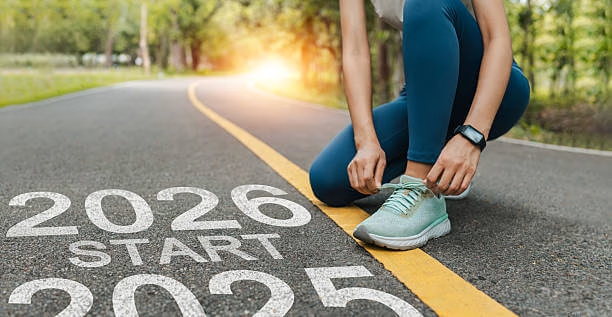
Starting a fitness routine after months—or even years—of inactivity can feel daunting. If you’re wondering how to start working out after a long time, you’re not alone. Many of us struggle with stiffness, low energy, or simply the uncertainty of where to begin. I’ve been there, and I know how disconnected your body can feel after a long pause.
The good news is that you don’t need intense workouts or pressure to begin again. With a gentle, mindful approach—and the right supportive tools—movement can feel approachable, comfortable, and even enjoyable. Starting small and choosing what truly supports your body can make all the difference.
Why It Feels Hard to Start Exercising Again
When your body hasn’t been active for a while, stiffness, fatigue, and low endurance are completely normal. Mild soreness, breathlessness, or feeling tired afterward is simply your body reconnecting with movement.
A gentle reminder: Movement should feel like a gift, not a punishment. Slow down, breathe, and trust that every small step matters.
Health Benefits of Restarting Exercise
Even gentle, consistent movement can have a powerful impact on both your body and mind:
- Improved energy and mood – Light movement supports endorphins and reduces stress.
- Better circulation and heart health – Walking and low-impact cardio support cardiovascular health.
- Increased strength and mobility – Bodyweight exercises and light weights help rebuild muscle and joint stability.
- Enhanced flexibility and posture – Stretching and yoga ease stiffness and improve alignment.
- Stronger mind–body connection – Mindful movement encourages awareness, calm, and presence.
- Supportive recovery – Intentional recovery tools help release tension and improve circulation.
Consistency is more important than intensity—you’ll see benefits even with small, regular sessions.
Start Small: Ease Back Into Movement
Gentle movement lays the foundation for a sustainable routine. Approachable ways to begin include:
- Walking for 10–30 minutes at a comfortable pace
- Light bodyweight exercises like squats, lunges, or wall push-ups
- Gentle yoga or mobility flows to restore flexibility
- Short guided home workouts lasting 10–20 minutes
The goal isn’t to do everything—it’s to create a habit your body actually wants to return to.
Essential Equipment for Getting Back Into Exercise
The right tools can make movement feel safer, easier, and more enjoyable—especially when you’re starting again after a long break.
WalkingPad
Ideal for indoor walking and building stamina gently.

💸 Save $10 with code HOLISTIKQUEEN
Non-Toxic Yoga Mat
Cushioned, non-slip, and free from harmful chemicals. Perfect for stretching, yoga, and floor exercises.

💸 Save 10% with code HOLISTIKQUEEN10
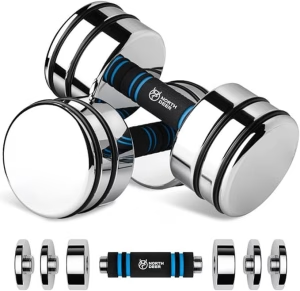
Weights / Dumbbells
Light to medium weights (3–10 lbs) help rebuild strength gradually without overexertion.
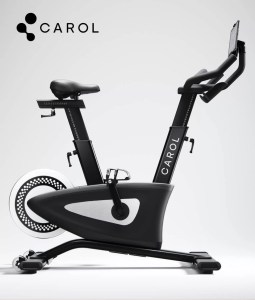
Carol Bike
A low-impact cardio option that’s easy on the joints while supporting endurance.
Power Plate
Engages muscles, improves circulation, and adds gentle resistance in short sessions.

💸 Save 20% with code HOLISTIKQUEEN
Bed of Nails Mat & Pillow
A recovery tool that supports circulation, relaxation, and tension release.

💸 Save 25% with code HOLISTIKQUEEN
Read More: BED OF NAILS ACUPRESSURE PILLOW AND MAT SET REVIEW
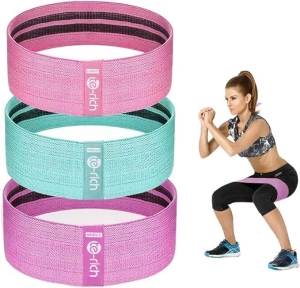
Resistance Bands
Lightweight, versatile, and great for strength and mobility at home.
I’ve found that having a few supportive basics on hand removes a lot of friction, especially when motivation is low.
What You Wear Matters, Too
What you wear can make getting back into movement feel noticeably easier. Comfortable, breathable, consciously made pieces remove friction so starting doesn’t feel like another hurdle.
Allwear Activewear
Non-toxic, supportive activewear designed for walking, stretching, yoga, and light strength work. Soft fabrics help movement feel comfortable and inviting, especially as your body readjusts.

Allbirds Sneakers
Lightweight, supportive sneakers made with natural materials. Ideal for walking and low-impact exercise, offering comfort and stability while aligning with a conscious lifestyle.
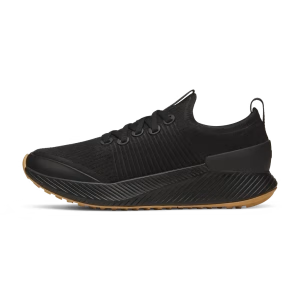
When clothing and footwear feel good on your body, movement naturally feels more like self-care.
Recommended Home Workouts
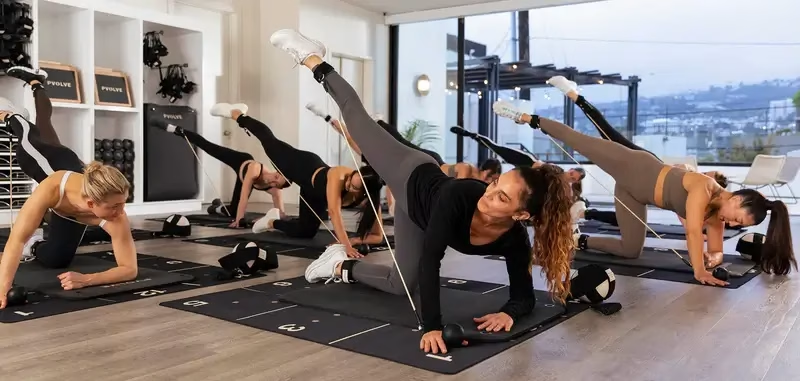
If you’re looking for guided routines that are gentle yet effective, P.volve workouts are a popular option. They focus on functional movement, low-impact strength, and mobility—perfect for easing back into exercise after a long break.
Quick Tips for Getting Started
- Walk daily, even if it’s just 10–15 minutes
- Add gentle strength exercises a few times a week
- Stretch or do yoga for 5–10 minutes to support mobility
- Keep sessions short—15–30 minutes is plenty
- Prioritize recovery with stretching or a few minutes on a bed of nails mat
Small, consistent efforts add up faster than pushing too hard.
Frequently Asked Questions (FAQ)
What if I feel sore after my first few sessions?
Mild soreness is normal. Gentle stretching, rest, and recovery tools can help your body adapt.
How do I know if I’m overdoing it?
Sharp pain, dizziness, or extreme fatigue are signs to slow down. Progress should feel supportive, not draining.
Do I need a gym membership to start again?
Not at all. Home-based movement with simple tools can be incredibly effective.
How often should I exercise when starting again?
Aim for 3–5 days a week, or even short daily movement. Consistency matters more than duration.
What if I lose motivation quickly?
Variety helps. Rotate walking, yoga, gentle strength, or equipment sessions to keep things interesting.
Can I combine equipment and bodyweight exercises?
Absolutely. Mixing the two keeps movement balanced and engaging.
Recovery and Mindfulness
Recovery is just as important as movement itself. Stretching, foam rolling, or spending a few minutes on a bed of nails mat can ease tension and support circulation.
Pair exercise with mindful wellness practices like journaling, meditation, or a calming bath. When movement feels nourishing, it becomes something you look forward to—not something you dread.
Staying Motivated Without Burning Out
- Set micro-goals and focus on consistency
- Celebrate every small win
- Create a routine that fits naturally into your day
- Track progress in a simple journal or app
- Pair movement with joy—music, nature, or quiet time
Final Thoughts
Starting to exercise again after a long break doesn’t have to feel intimidating. With a gentle, mindful approach, supportive tools, and a focus on comfort and consistency, movement can become enjoyable, grounding, and sustainable.
Begin without pressure or perfection. Choose movement that feels good, honors your body, and supports your overall well-being. Every small step forward truly counts.
💬 I’d love to hear from you! Are you easing back into exercise after some time off? What tools, routines, or tips help you stay consistent? Share your experiences in the comments below—I read every one!
🔗Related



One Response
This really resonated with me. Starting again can feel intimidating, especially after a long break, and I love how you emphasize gentle movement and listening to your body. Such an encouraging reminder that small steps truly matter.